




How AI Is Transforming Education: Benefits, Impact, and the Future of Learning

AI in Education: Transforming Learning for a Smarter Future
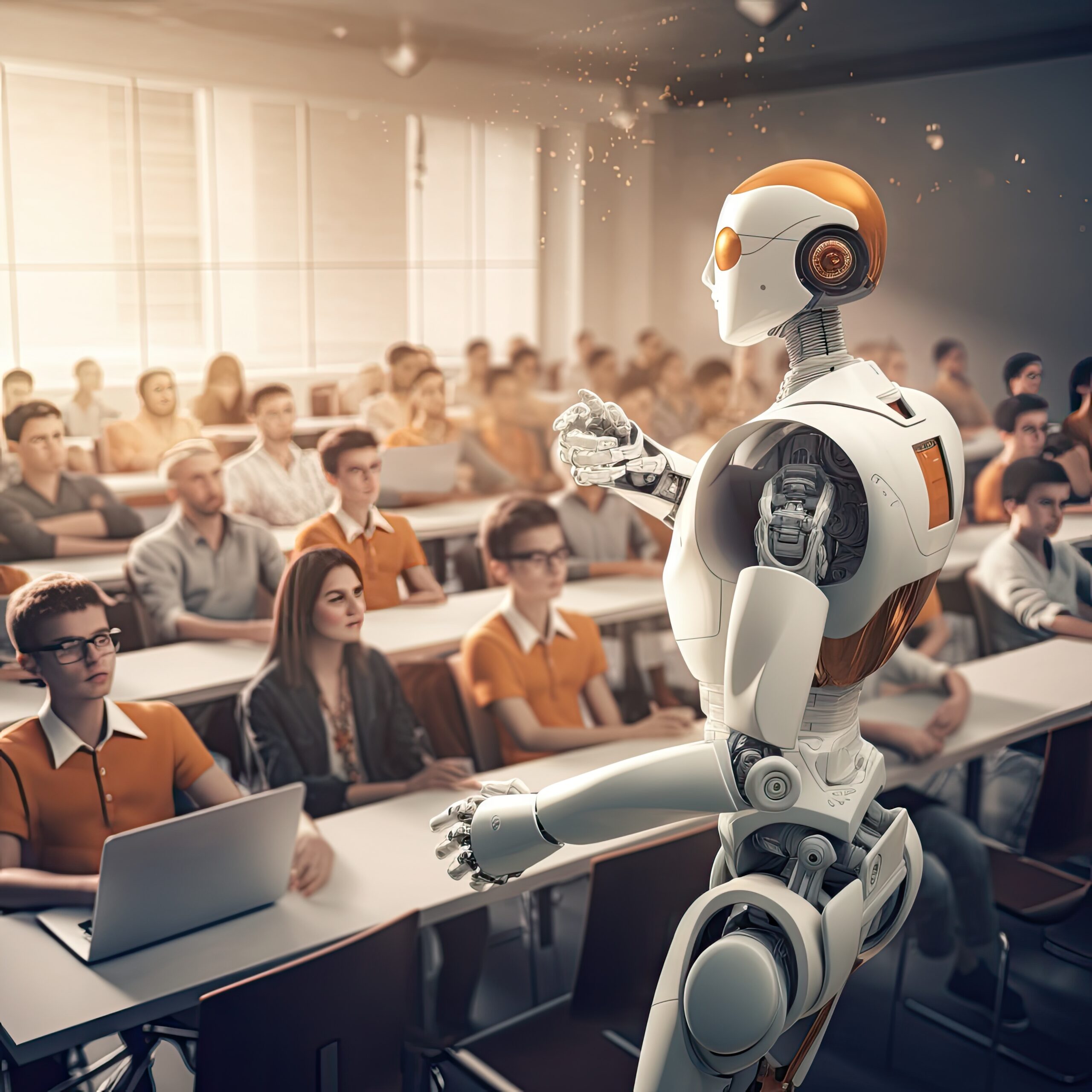
Artificial intelligence (AI) is rapidly reshaping industries around the world, and education is no exception. From personalized learning pathways to smart content creation, AI is redefining how students learn and how educators teach. As technology continues to evolve, AI is becoming an essential tool for building an engaging, efficient, and accessible learning environment. Let’s explore how AI is revolutionizing education and why it matters now more than ever.
1. Personalized Learning for Every Student
One of the most powerful benefits of AI in education is personalization. Traditional classrooms often struggle to meet the needs of students with varying learning abilities, speeds, and styles. AI steps in by analyzing student performance data and tailoring learning materials accordingly.
Whether a student learns best through visual content, audio explanations, or interactive activities, AI-powered platforms can adapt lessons in real time. This ensures that each learner gets the support they need, helping them grasp difficult concepts faster and more effectively.
2. Intelligent Tutoring and Real-Time Support
AI-driven tutoring systems offer round-the-clock academic assistance. These systems can answer questions, explain concepts, and guide students through complex problems just like a human tutor—but without time or cost limitations.
Chatbots and virtual tutors help students practice subjects like math, science, and language skills at their own pace. This kind of continuous support boosts confidence and encourages independent learning, making education more flexible and student-centered.
3. Streamlining Work for Educators
Teachers often spend a significant portion of their time on administrative tasks—grading assignments, tracking progress, and preparing lesson plans. AI can automate many of these responsibilities, giving teachers more time to focus on what truly matters: teaching and connecting with students.
Tools like automated grading, AI-powered lesson planners, and performance analytics simplify classroom management. With these insights, educators can quickly identify which students need extra help and adjust their teaching strategies accordingly.
@kinzakhankpk Absolutely ❤️allah me siwa Kisi or yakeen na rakho❤️🥺#support
4. Enhanced Accessibility and Inclusion
AI is also playing a critical role in making education more inclusive. Students with disabilities can benefit from text-to-speech tools, speech recognition software, and real-time translation services.
For instance, AI-powered captioning supports students with hearing impairments, while visual recognition tools assist those with learning or cognitive challenges. This technological support ensures that every learner—regardless of physical or cognitive limitations—can participate fully in the learning experience.
5. Preparing Students for the Future
In a world dominated by digital innovation, understanding AI is becoming a vital skill. Integrating AI into classrooms not only enhances learning but also prepares students for future careers in tech-driven industries.
By engaging with AI tools early on, students develop critical thinking, problem-solving, and digital literacy skills—competencies that are essential in today’s global job market.